10 Essential Tips for Choosing the Right Thick Suit Fabric
When it comes to crafting the perfect tailored suit, the choice of fabric plays a pivotal role in determining both style and comfort. Among the myriad options available, **thick suit fabric** stands out as a preferred choice for those seeking warmth, durability, and a refined appearance. This article aims to equip you with essential insights into selecting the right thick suit fabric, ensuring that your investment is not only pleasing to the eye but also functional for varying climates and occasions.
Understanding the nuances of thick suit fabric is critical for making an informed decision. From wool blends to heavyweight cotton, the fabric you choose can accentuate your silhouette while providing the necessary structure and support for a polished look. Furthermore, this guide will delve into key considerations, such as the fabric's weight, texture, and breathability, which significantly impact the overall wearing experience. With these tips, you will be well-prepared to navigate the world of suit fabrics, ultimately achieving a well-suited ensemble that reflects your personal style and meets your practical needs.
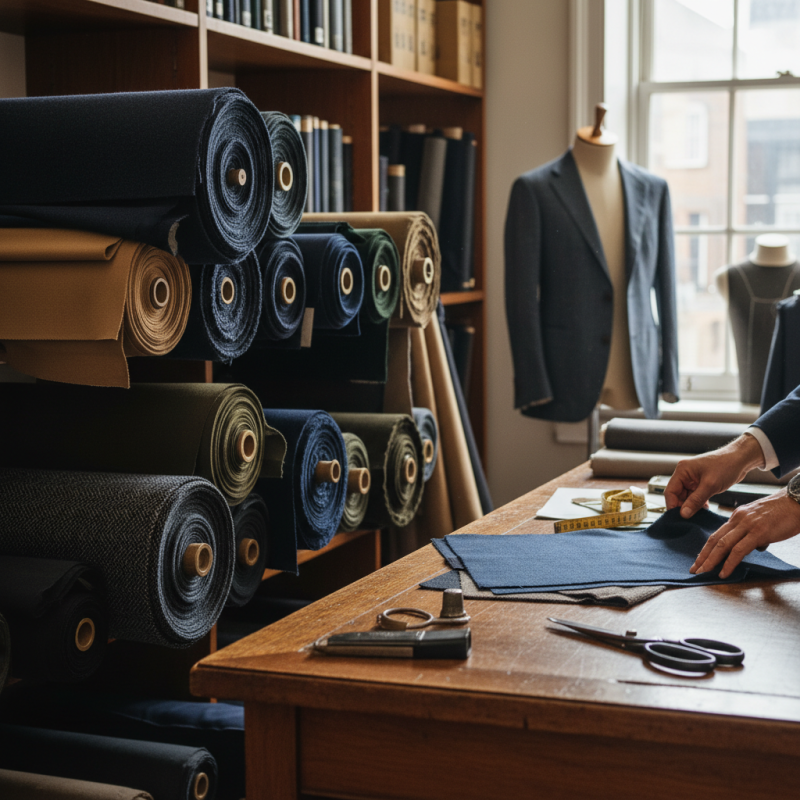
Understanding Different Suit Fabrics and Their Properties
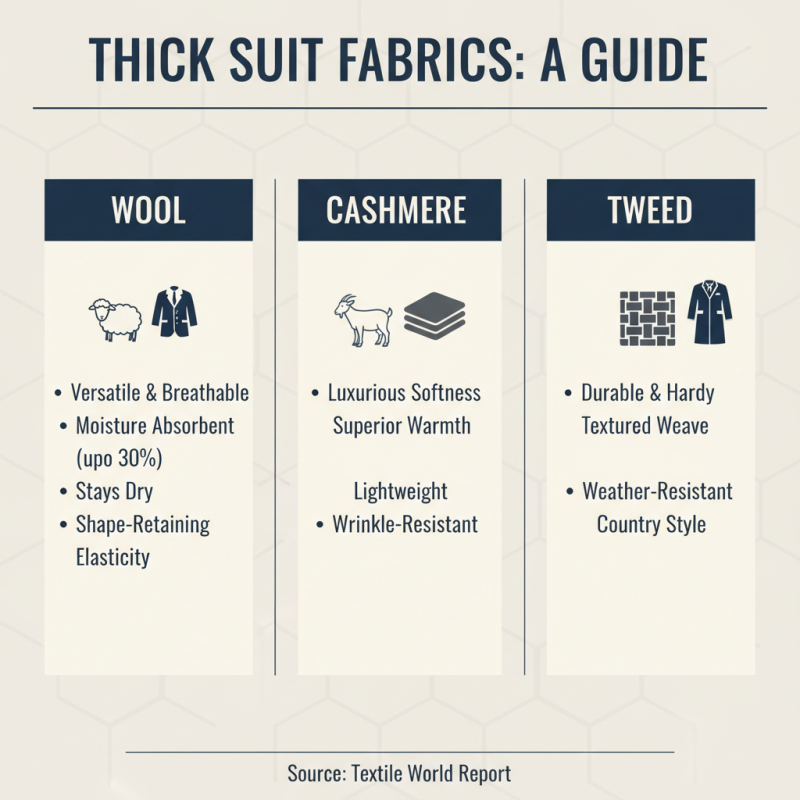
When selecting the right thick suit fabric, understanding the various types of materials available and their unique properties is crucial for achieving both comfort and style. Wool remains the most popular choice for suits due to its versatility and natural breathability. According to the *Textile World* report, wool can absorb up to 30% of its weight in moisture while still feeling dry, making it an excellent option for varied climates. Additionally, its natural elasticity allows for a comfortable fit that retains shape, ensuring that thick suits do not compromise on structure.
Another notable fabric is cashmere, which, while often more luxurious, offers exceptional warmth without excessive weight. The *International Wool Textile Organisation* notes that cashmere fibers are finer than traditional wool, creating a softer texture that feels exquisite against the skin. This property makes it an ideal choice for those seeking a sophisticated look without sacrificing comfort. On the other hand, tweed, a thicker fabric, offers durability and a distinctive texture, making it suitable for colder environments. With advancements in textile technology, these fabrics now provide enhanced performance characteristics, including wrinkle resistance and moisture-wicking properties, catering to the demands of modern wearers. Understanding these properties will enable individuals to make informed decisions when choosing the ideal thick suit fabric for their needs.
Identifying Seasonal Suit Fabric Recommendations
When selecting the right fabric for thick suits, it's essential to consider seasonal recommendations that align with both comfort and style. For the fall and winter months, heavier wool fabrics such as tweed, flannel, and gabardine excel in providing warmth and durability. According to a report from the Fashion Institute of Technology, wool fibers naturally regulate temperature, making them an excellent choice for colder weather. These materials are not only insulating but also provide a refined appearance, perfect for formal events or professional attire during the chillier months.
As we transition into spring and summer, lighter fabrics become crucial. A survey by the Textile Exchange indicates that linen and cotton blends are preferred during warmer seasons due to their breathability and moisture-wicking properties. These fabrics help maintain comfort while still delivering a sharp, tailored look. Choosing a fabric that suits the season not only enhances comfort but also ensures that the suit remains stylish and functional, allowing the wearer to transition seamlessly from one environment to another. When selecting suit fabrics, understanding the seasonal attributes and performance of each material is vital for achieving the ideal balance between aesthetic appeal and wearability.
Evaluating Thickness and Weight for Optimal Comfort
When selecting a thick suit fabric, evaluating its thickness and weight is crucial for ensuring optimal comfort. A suit that is too heavy can restrict movement and lead to discomfort, especially during warm weather. Conversely, a fabric that is overly lightweight might not provide the structure and elegance expected from a suit. To strike the right balance, consider the fabric's intended use; heavier materials are typically suitable for colder climates, while lighter options can offer breathability in warmer conditions.
Beyond just weight, the texture and composition of the fabric also play significant roles. Natural fibers like wool or cotton can offer excellent insulation while remaining breathable, ensuring that the wearer remains comfortable throughout the day. Look for materials with a tight weave to enhance the suit’s durability and structure, which will also contribute to its overall aesthetic appeal. Testing the fabric by feeling its weight in hand and draping it over your arm can provide a clear idea of how it will perform in different environments, guiding you toward the best choice for your needs.
Fabric Thickness and Weight Comparison for Suits
Considering Texture and Weave Patterns in Suit Selection
When selecting the right fabric for a thick suit, understanding the texture and weave patterns is crucial. Textures can significantly influence both the aesthetic and functional attributes of the suit. According to the Fabric Manufacturing Association, the tactile quality of fabrics, ranging from smooth to coarse, affects not only the appearance but also the comfort and durability of the suit. For example, a twill weave tends to be more durable and resistant to creases, making it an excellent choice for heavy-weight suits. In contrast, a herringbone pattern adds a sophisticated detail that can elevate the overall ensemble.
Weave patterns are equally important, as they drastically alter the suit's drape and feel. A report from the Textile Institute indicates that the choice of weave impacts the suit's breathability and insulation properties. For instance, a heavier fabric with a tighter weave may provide superior warmth, beneficial in colder climates, while a looser weave can enhance air circulation for versatility in various temperatures. All in all, careful consideration of both texture and weave ensures that your thick suit not only looks great but holds up to the demands of style and comfort throughout the day.
Budgeting for Quality: Cost vs. Fabric Durability
When considering the right fabric for a thick suit, budgeting for quality is crucial. It's easy to be swayed by lower price points, but investing in good fabric can lead to long-term savings and benefits. Higher-quality materials tend to be more durable, meaning they can withstand the wear and tear of regular use, maintaining their appearance and comfort for a longer time. Cheaper fabrics might initially save you money, but they often require more frequent replacements, which can add up over the years.
Fabric durability is also closely linked to the aesthetic appeal of the suit. A well-made, thick suit crafted from quality fabric will drape nicely and conform to the body’s shape, enhancing overall style. On the other hand, inferior materials can lead to issues like pilling, fading, and distortion, which detract from the suit's appearance. By prioritizing quality over cost, you'll not only ensure a timeless look but also enjoy the comfort and structural integrity that comes with superior fabric choices. Balancing your budget with these considerations will result in an investment that pays off in both functionality and style.
10 Essential Tips for Choosing the Right Thick Suit Fabric - Budgeting for Quality: Cost vs. Fabric Durability
| Fabric Type |
Cost per Yard |
Durability Rating (1-10) |
Best Use |
| Wool |
$30 |
9 |
Formal Wear |
| Cashmere |
$80 |
8 |
Luxury Suits |
| Tweed |
$50 |
7 |
Casual Wear |
| Cotton Blend |
$25 |
6 |
Everyday Wear |
| Polyester |
$15 |
5 |
Budget Suits |