2025 How to Choose the Best Cotton Knitted Fabric for Your Needs
As the demand for sustainable and comfortable textiles continues to rise, the significance of Cotton Knitted Fabric has become increasingly apparent in the fashion and textile industries. According to a report by the Global Organic Textile Standard (GOTS), the organic cotton market is projected to witness a compound annual growth rate (CAGR) of 10% through 2025, indicating a robust shift toward natural fabrics that offer both comfort and environmental benefits. This trend emphasizes the importance of selecting the right materials not only for garment durability but also for consumer satisfaction.
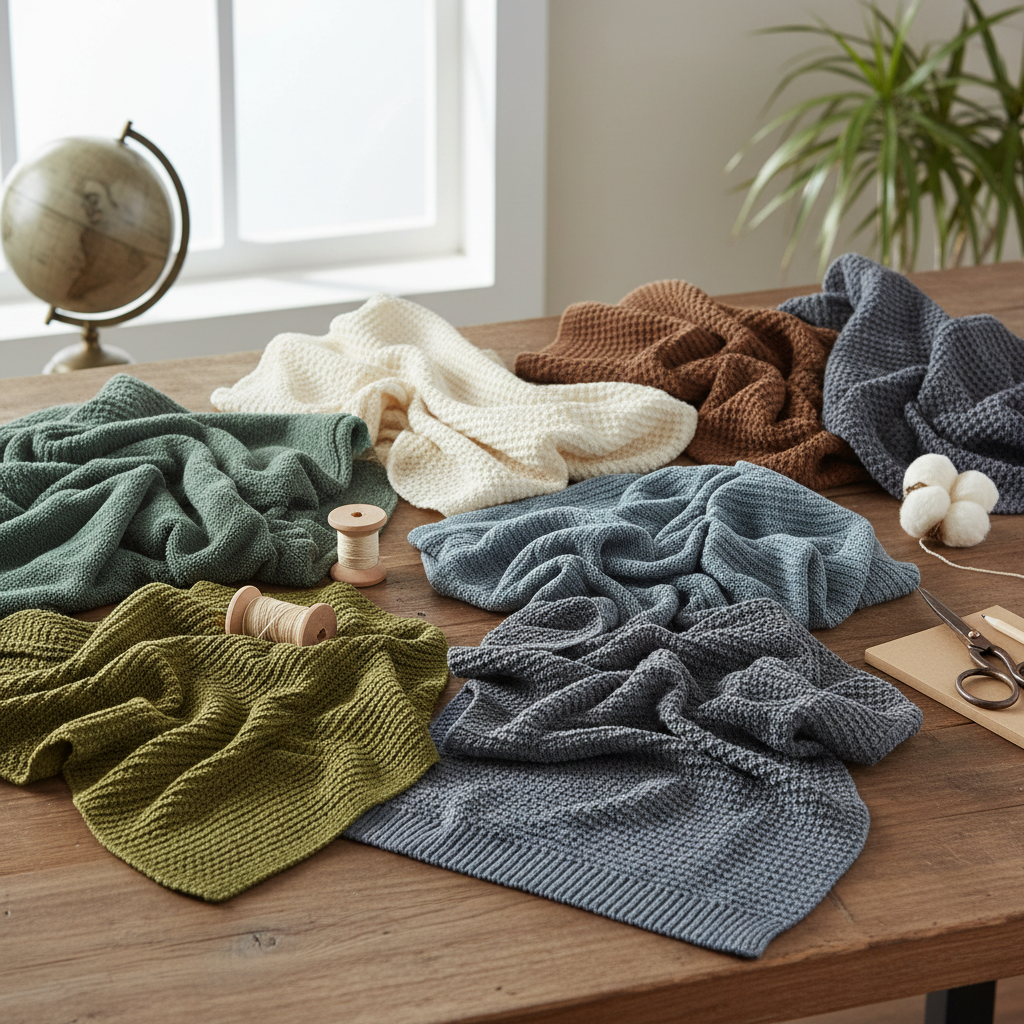
Choosing the best Cotton Knitted Fabric requires a thorough understanding of fabric properties, including breathability, stretch, and softness. Various studies have shown that cotton knit textiles are preferred by consumers for their ability to provide comfort across different climates. Furthermore, a market analysis conducted by Transparency Market Research highlights that the increasing preference for athleisure wear significantly drives the demand for high-quality cotton knitted fabrics. Therefore, understanding the specific needs of your projects—whether for casual clothing, activewear, or home textiles—is crucial in making an informed choice. By considering factors such as fabric weight, weave type, and environmental sustainability, you can ensure that the Cotton Knitted Fabric you select will meet your quality and performance expectations.
Understanding Cotton Knitted Fabric: Types and Characteristics
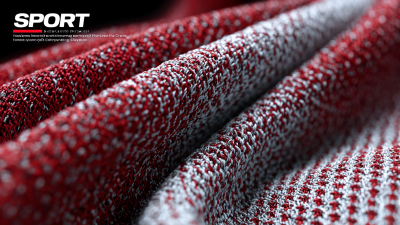
Cotton knitted fabric is a versatile material widely used in fashion and textiles, characterized by its softness, breathability, and elasticity. According to the Textile Exchange's 2021 Global Sustainability Report, around 87% of cotton produced is utilized for textile purposes, with a significant portion being knitted for garments and home textiles. There are several types of cotton knitted fabrics, including jersey, rib, and interlock, each with unique properties that cater to different needs.
When selecting the appropriate cotton knitted fabric, consider its weight and stretch. Lighter fabrics like jersey are ideal for activewear due to their breathability and moisture-wicking properties, while heavier interlock fabrics provide more structure and durability, making them suitable for casual loungewear.
**Tip:** It's essential to assess the fabric's characteristics by looking at the fabric weight in GSM (grams per square meter). Fabrics around 180-200 GSM are usually good for T-shirts, while those above 250 GSM are often ideal for warmer apparel. Always request fabric samples to gauge the feel and stretch before making a final decision!
Assessing Fabric Weight and Thickness for Your Specific Application
When selecting the best cotton knitted fabric for your needs, assessing fabric weight and thickness is crucial. Fabric weight, often measured in grams per square meter (GSM), significantly influences the fabric's durability, drape, and overall feel. For instance, lighter fabrics, usually ranging from 100 to 200 GSM, are preferable for summer apparel or intimate wear, as they offer breathability and comfort. Conversely, heavier fabrics, typically over 250 GSM, are ideal for colder climates, providing warmth and structure for items like sweaters or outerwear.
Thickness also plays a vital role in fabric selection. Thicker fabrics tend to be more durable and suitable for items requiring extra support, such as bags or upholstery. However, they may not drape as well, potentially impacting the aesthetic of garments. On the other hand, thinner fabrics lend themselves better to flowing designs and layered outfits but may require careful handling to avoid wear and tear. Thus, understanding both the weight and thickness relative to your specific application ensures that you select the right cotton knitted fabric to meet your project's functional and aesthetic requirements.
2025 How to Choose the Best Cotton Knitted Fabric for Your Needs - Assessing Fabric Weight and Thickness for Your Specific Application
| Fabric Type |
Weight (g/m²) |
Thickness (mm) |
Best Uses |
| Light Cotton Jersey |
150 |
0.5 |
T-shirts, Sleeveless Tops |
| Medium Cotton Jersey |
200 |
0.8 |
Casual Wear, Dresses |
| Heavy Cotton Jersey |
250 |
1.0 |
Activewear, Hoodies |
| Cotton Interlock |
220 |
0.9 |
Loungewear, Pajamas |
| Cotton Rib Knit |
180 |
0.7 |
Turtlenecks, Cuffs |
| Cotton French Terry |
300 |
1.2 |
Sweatshirts, Sweatpants |
Evaluating Fabric Stretch and Recovery for Comfort and Fit
When choosing the best cotton knitted fabric for your needs, understanding the stretch and recovery properties is essential for achieving optimal comfort and fit. Knitted fabrics, unlike woven ones, tend to have greater elasticity, allowing them to conform better to the body's shape. This is particularly important in garments that require a snug fit or those worn for extended periods, such as athleisure or casual wear. Fabrics with high stretch capabilities can adapt to movements, providing ease without compromising durability.
Evaluating stretch and recovery involves assessing how well a fabric returns to its original shape after being stretched. A fabric that loses its form may lead to discomfort and an unflattering fit over time. Recent analyses reveal that not all knitted fabrics are created equal; some may offer superior recovery, which is crucial for maintaining a garment's silhouette. Thus, when selecting fabric, pay attention to these stretch characteristics to ensure that the final product not only looks good but also feels great, enhancing the overall wearing experience.
Identifying Ideal Fiber Blends for Increased Durability and Softness
When selecting the perfect cotton knitted fabric, the fiber blend plays a crucial role in achieving both durability and softness. According to a report by The Cotton Incorporated Lifestyle Monitor™ Survey, 60% of consumers prefer fabrics that combine cotton with synthetic fibers, as this blend enhances the fabric's resilience while maintaining the breathable, soft qualities of cotton. Polyester-cotton blends are particularly popular; they improve the fabric's stretching and resistance to wrinkling, making them ideal for everyday clothing.
In addition to polyester, other fiber blends such as cotton with modal or bamboo can provide impressive softness and moisture-wicking properties. A study by the Textile Research Journal indicates that modal-cotton blends increase fabric durability by up to 20% compared to pure cotton fabrics while offering a silky feel that many consumers find appealing. Furthermore, with sustainable practices trending, blended fabrics that incorporate recycled materials are gaining traction, appealing to eco-conscious consumers who desire both comfort and environmental responsibility in their textile choices.
Considerations for Care and Maintenance of Cotton Knitted Fabrics
When selecting cotton knitted fabrics, care and maintenance are crucial considerations that can significantly enhance the longevity and appearance of your material. Cotton, known for its breathability and comfort, requires specific handling to retain its softness and shape. It is essential to follow the washing instructions provided by the manufacturer, typically opting for a gentle cycle with cold water to prevent shrinkage and fading. Avoid using bleach, as it can weaken the fibers and alter the color.
Drying methods also play a vital role in maintaining your cotton knitted fabric. Tumble drying on a low setting may be acceptable, but air drying is the safest option to prevent excessive heat exposure, which can distort the fabric’s structure. Additionally, ironing should be done with caution—if necessary, use a low heat setting and place a cloth between the iron and the fabric to avoid direct contact. Regular maintenance, including pilling removal and proper storage, will further ensure that your cotton knitted fabrics remain in excellent condition, making them a worthwhile investment for your needs.