Why Choose Thin Single Jersey Fabric for Your Clothing Needs?
In the world of fashion, the choice of fabric plays a crucial role. Thin Single Jersey Fabric is gaining recognition for its unique properties. Renowned textile expert Dr. Lucy Tran states, "Thin Single Jersey Fabric offers unparalleled comfort and versatility." This highlights its importance in modern clothing.
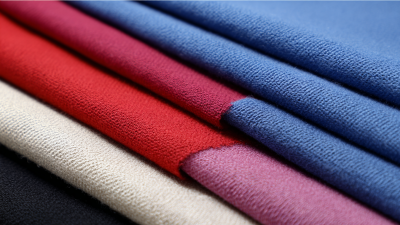
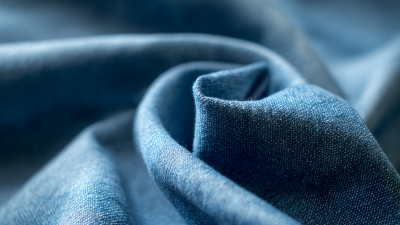
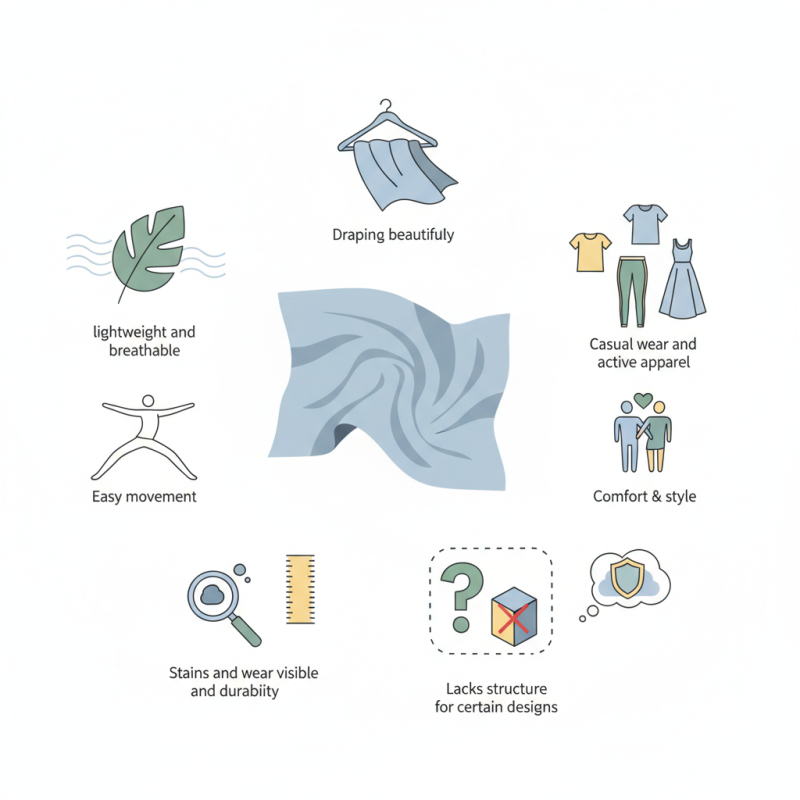
This fabric is lightweight and breathable. It drapes beautifully and allows for easy movement. Many designers are adopting Thin Single Jersey Fabric for casual wear and active apparel. It has become a favorite for those seeking both style and comfort. However, some may find it lacks structure for certain designs.
While Thin Single Jersey Fabric excels in softness, it sometimes shows flaws easily. Stains and wear can be more visible compared to thicker materials. This can be a drawback for everyday garments. Reflecting on these points is essential when selecting fabrics for your needs. Balancing comfort and durability remains a key consideration.
Benefits of Thin Single Jersey Fabric in Garment Production
Thin single jersey fabric stands out in garment production for its numerous benefits. This lightweight material, typically made from cotton or a blend, offers exceptional breathability. According to the Textile Industry Report 2023, breathable fabrics account for over 40% of consumer preferences in summer collections. Comfort is a leading factor here, as thin single jersey provides a soft touch against the skin. It’s ideal for t-shirts and casual wear, promoting ease of movement.
Another significant advantage is its stretching capability. The fabric typically retains its shape well, making it crucial for fitted garments. The same report indicates that nearly 35% of clothing sales come from activewear. This trend highlights how necessary flexibility is for both style and function. However, it’s important to note that durability can be a concern with thinner materials. While consumers love lightweight clothing, they often overlook how thinness may affect longevity.
Additionally, thin single jersey fabric often allows for vibrant print quality. Its smooth texture enhances designs and patterns, making graphics pop. However, the risk of fading over time exists, particularly after multiple washes. Balancing aesthetics and durability can be challenging for manufacturers. This calls for careful consideration in production processes to maintain quality while achieving desired looks.
Why Choose Thin Single Jersey Fabric for Your Clothing Needs? - Benefits of Thin Single Jersey Fabric in Garment Production
| Benefit |
Description |
Applications |
| Breathability |
Thin single jersey fabric allows for better air circulation, keeping the wearer cool. |
T-shirts, athletic wear, summer dresses |
| Lightweight |
Its lightweight nature makes it comfortable for all-day wear. |
Loungewear, casual shirts, undergarments |
| Versatility |
Can be used in a variety of garment styles and designs. |
Fashion tops, activewear, layering pieces |
| Soft Texture |
Offers a smooth feel against the skin, enhancing comfort. |
Children's clothing, sleepwear, comfortable everyday wear |
| Easy Care |
Simple washing and drying process, retaining color and shape. |
Everyday garments, uniforms, sportswear |
Comparative Analysis: Thin Single Jersey vs. Other Fabrics
Thin single jersey fabric is popular for many reasons. It offers a soft, breathable texture that feels great on the skin. Compared to thicker fabrics, it provides comfort without sacrificing style. However, care must be taken, as thin fabrics can be more delicate.
When we compare thin single jersey to other options, the differences become clear. For instance, cotton blends offer durability but may lack breathability. Synthetic fabrics can be stretchy but often feel less natural. Cotton, while soft, can weigh heavily when wet. Thin single jersey, on the other hand, balances lightweight comfort with adequate stretch.
Choosing the right fabric is not easy. Sometimes, thin single jersey may snag or pill over time, which can be frustrating. Additionally, its lighter weight means it may not always provide enough warmth in colder climates. So, while it has many advantages, it’s important to consider these potential drawbacks.
Durability and Performance Metrics of Thin Single Jersey Fabric
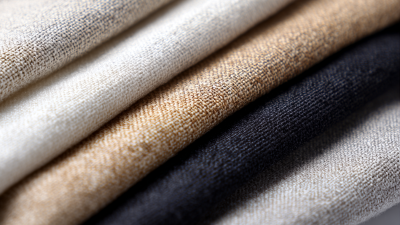
Thin single jersey fabric is becoming a popular choice for many clothing needs. It boasts impressive durability and performance metrics. With a lighter weight, this fabric allows for comfort and breathability. It is perfect for both casual wear and athletic apparel. The knit structure enhances flexibility, making movement easier without restrictions.
Tips: When selecting thin single jersey, consider fabric weight. A lighter weight may feel good but might lack durability. Always check the care instructions, too. Sometimes, maintenance can be a hassle.
The performance of thin single jersey can truly shine in various conditions. It dries quickly and is resistant to wrinkling. However, some people may experience issues with fading colors over time. This depends on the dyeing process and care habits. Regular washing may affect the fabric's appearance. Thoughtful choices can help maintain vibrancy and strength.
Sustainability Aspects of Using Thin Single Jersey in Fashion
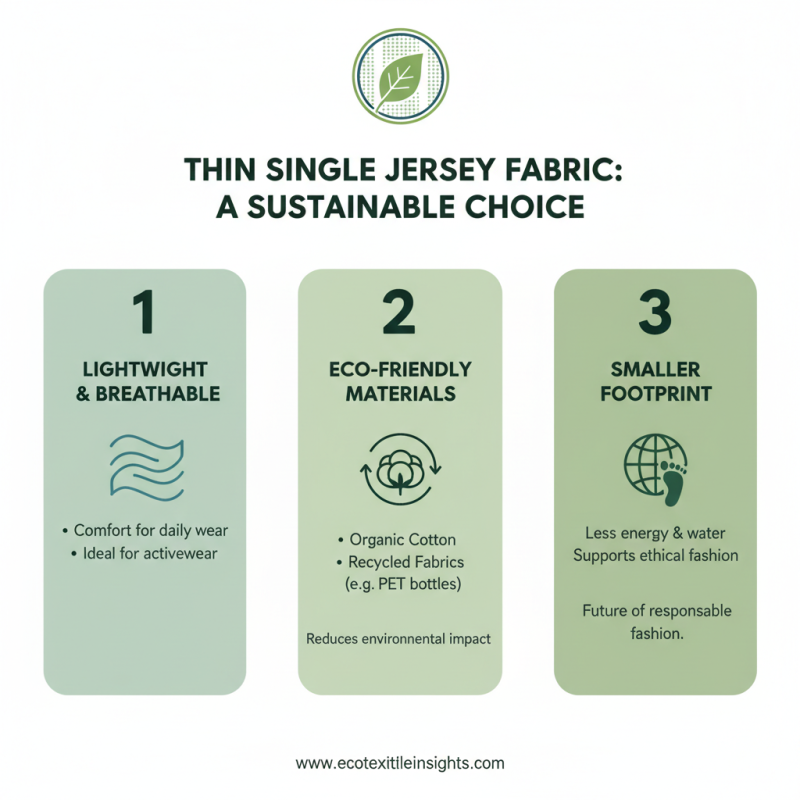
Thin single jersey fabric has gained popularity for its lightweight and breathable qualities. However, its role in promoting sustainability is truly noteworthy. The fabric is often made from organic cotton or recycled materials, helping to reduce environmental impact. Choosing materials with a smaller carbon footprint is vital in today’s fashion industry.
Using thin single jersey means less water and energy consumption during production. This can significantly lower the ecological footprint of fashion brands. Yet, it's essential to acknowledge that not every thin single jersey is created equal. Some alternatives still rely on harmful chemicals and unsustainable practices. Consumers must educate themselves to make informed choices.
Fashion often prioritizes style over sustainability, but this can lead to regret. Many garments end up in landfills, contributing to waste. By opting for genuinely sustainable fabrics like thin single jersey, we can make more responsible decisions. However, it’s a process. Creating a truly sustainable wardrobe requires continuous reflection and improvement.
Market Trends: Demand for Thin Single Jersey in Contemporary Apparel
The apparel market has seen a noticeable shift towards lighter, breathable fabrics, with thin single jersey fabric leading the way. According to a recent report from FashionatingWorld, consumer preference for lightweight materials has surged by 45% in the last two years. This indicates a growing demand for comfort and versatility in daily wear. Thin single jersey fabrics significantly contribute to this trend.
Quality and fit are pivotal for modern consumers. The Global Textile Network highlights that 70% of shoppers prioritize comfort over style. Thin single jersey fabric provides a perfect blend of stretch and softness, catering to the need for relaxed fits. However, brands often struggle to balance sustainability with style. The production process can lead to environmental concerns, prompting feedback from eco-conscious consumers. This discrepancy between comfort and environmental impact is an area needing attention.
Manufacturers face challenges in maintaining consistent quality. Issues like pilling and wear can undermine consumer trust. A study from Textile World notes that 55% of customers have reported dissatisfaction with fabric durability. As thin single jersey continues to dominate, brands must refine their processes. A focus on sustainability and durability will help bridge the gap between consumer expectations and product performance.